Even if you could say the same for
many other true-metal bands that are cult-acts for some but have never
accomplished the breakthrough to a larger audience they deserved, Savatage is
probably the most outstanding case of the unfairness of the music biz.
Savatage's been around for about 15
years now and have released albums of the highest musical content, but have only
recently won a little part of the respect and popularity that they deserved
straight form the beginning of their career, thanks to an incredible strong will
and coherence.
The Early Years, Metropolis &
Avatar
The
first band project by brothers Jon and Criss Oliva was formed in Florida back in
1978 when they founded Metropolis; Criss played bass and Jon giutar first, and
the band also featured drummer Joe Conn. The following year Tony Ciulla stepped
in as bass player, Criss switched to guitar, having improved incredibly quickly,
and Jon in the meantime passed from guitarist, to drummer, and finally to
singer, when later the same year Steve Wacholz (former Paradox) joined them.
Soon after that the band chaged his name into Avatar.
During these years the band lived a
very intense musical activity while they were still attending high school: Criss
and Steve played in a band called Tower and Jon left the school without
gradutaing but being more and more involved in musical projects. Around 1980
Tony Ciulla was replaced by bass player Keith Collins and int hose years Avatar
played in several bars and local clubs, they did’t have a manager but Steve
did all the booking and Keith owned the PA... they were pretty well organized
indeded!In 1981 Avatar recorded
their first two songs that were included in a compilation by a local rock radio
station, “Minus Love” and “Rock Me”.
The first turning point however
came in year 1982: and the band was contacted by Dan Johnson from Par Records
who got Avatar the first record deal. Early 1983 the EP “City beneath the
surface” was published by Par Records that embodied only 3 tracks but was
enough to bring Avatar under the spotlight. “City Beneath the Surface” was
recorded, mixed and mastered in only 3 days at the Morrisound Studios by Jim
Morris, a great fan of the band eversince, and the album was printed in 100
copies in a very rare 7” yellow vinyl edition... (Hounds proudly own one of
these! J) and became a precious item for collectors but luckily
those tracks (“City beneath the surface”, “Sirens” and “The Whip”)
were re-recorded in the following two albums of the band that in the meantime
changed its monicker into Savatage.
Savatage
1983/4: Sirens & the Dungeons are Calling
“Sirens”
is the first official Savatage record and the last produced by Par Records, in
fact right after the release of this album Savatage had another album ready,
“The Dungeons are Calling” (recorded in sumemr 1984) that was only published
in 1985 when the band got a deal with major record company Atlantic. Atlantic
teamed Savatage up with producer Max Norman and in the same year they recorded
yet another album, Power of the Night, and this was actually the first time
Savatage were given anough time and space to record and the result is actually
much better that the previous albums, having almost 3 months to spend int he
studio and being Norman a very meticulous and committed producer. Atlantic also
bought the rights of their previous materials and re-issued Sirens (with a
different cover artowork: the original featured a boat, not the elves-children).
Fight
For the Nightmare (1986)
Savatage got good critical
response from the press, but Arlantic probably wasn’t satisfied with the sales
of the previous albums, in fact they decided to push Savatage towards a more
“easy-listening” style, suffocating their sharp, rocking edge and they sent
the band to London to record “Fight for the Rock”, that was supposed to
sound appealing to a wider audience. In the same period Keith Collins left the
band after he had to admit he couldn’t cope with some of the bass lines of
“Power of the Night” (after all he was s guitarist hired as bassplayer, not
a proper bassplayer) and he was replaced by Johnny Lee middleton that at the
time was playing in a glam band called Lefty. They were doing pretty well, were
quite popular and Johnny could make a living with his activity int he band.
After thinking about ti for a while, however, he decided to leave Lefty and join
Savatage.
Unfortunately most the
tracks of “Fight for the Rock” were not of a very good quality, the sounds
were soft and unsuitable for a band like Savatage, the rpoducer was not a rock
producer and the studio was pretty poor. Bandmembers still have terrible
memories about that period and that album, which they do not like at all and
refer to as “Fight for the Nightmare”! They ran into the first serius crisis
of their existence and they even had to perform a tour in Europe which turned
out to be a semi-catastrophe.
Paul
O’Nell & The Mountain King (1987-1989)
After
the tour was done Savatage thought they were at the end of their career, but
right then Jon got a call from Paul O’Neill and their future manager, John
Goldwater, and got a proposal of a long-term cooperation. He accet to strat
working with Paul, and that was probably one of the most important and luckly
decisions he ever took in his entire life! The cooperation with Paul O’Neill
turned out to be an immediate success: Paul recognized the genius of Jon and the
extreme talent of Criss fromt h very first time he saw them playing “Sirens”
and put his heart and soul int he cooperation with Savatage. He was rewarded
with the greatest efforts by the Oliva brothers and together they brough to life
a real masterpiece, the album “Hall of the Mountain King”, released by
Atlantic Records in 1987. Just whent hey thought they were ready to give up,
Savatage released the album that could best outpoint their power, aggressive
unique style and skilled musicianship. The album was supported by an extend tour
in the States with R.J.Dio and Megadeth and in this year Savatage also recorded
their first video shot for the title track. Maybe some still don’t know that,
despite Jon and Criss were not too happy with this decision, their management
and Paul insisted that they hired another guitar player for the tour. At first
they didn’t agree at all, then they
decided to audition a couple of guys, just to make management happy. What they
did not know was that one of these guys was Christopher Caffery, a 19 y.o. boy
from New York who had taken the audition thing very seriously and worked his ass
off learning all their songs. When they decided not to audition him at all he
was upset to say the least and decided he would buy himself a plane ticket and
fly to the audition even if they did not mean to hire him. His stubborness was
well rewarded, because after Jon and Criss had to listen to him playing (he
performed “The Whip” and “24 hours ago”) they were so surprised by his
playing and his groove that they changed their minds immediately and agreed to
have him in the band. However Chris would not play onstage during that tour: he
was hidden behind the PA and would play a steady dreamy rhythm guitar and a few
keyboards that Jon had taught him, because Chris cannot actually play keys! J
Still
the Orchestra Plays (1990)
In 1990 Atlantic published
“Gutter Ballet”, the first album that features strong presence of orchestra
pieces combined with very sharp-edged metal sounds. The album was pretty
successful and it embodies some of the great calssic tunes that savatage still
play live nowadays, like the title track and the acoustic song “Silk and
Steel”, that Criss Oliva recorded in a single outake in NYC after the
recording sessions were officially over. He flew in from Florida, just walked to
the studio and told Paul: “You get one take, Paul”, grabbed his acoustic and
recorded that masterpiece, then walked out right in time to take his flight back
to Florida! “When the crowds are gone” (a great power ballad writte by paul
O’Niell) and Gutter ballet were also the next sogs for which Savatage shot a
video.
A
Rock Opera (1991)
“Streets,
a rock opera” is the first concept album composed by the band. It was a
Criss’ idea, when one day he opened a drawer and found a story written by Paul
O’Neill about a homeless pusher who became a famous corrupted rockstar and had
to go thru the redemption of his soul before he could live a serene life. Criss
and Jon were enthusiastic about the story and they began to write the music for
it. They began writing these songs before they recorded Gutter Ballet, and kept
writing for a couple of years. There were about 40 songs, most of them will
never see the light and still buried in the “Vaults of Atlantic”, like Jon
said, and some have been released on different albums. Whent he Crowds are Gone
was supposed to be on Streets, right before “A Little too far”,
“Desiree” had to be part of Street and the same goes for ”Stay”, who had
to be interpreted by the character of Duke, who was later canceled off the
story. However, it took Savatage a whole year locked in “Rock Plant” studio
in Manhattan working day and night to record this album and the result was
monumental and breathtaking, as simple as that.
The following tour saw
Savatage on the road as a four-pice band again, having Chris left Savatage to
form a new band with his brother Phil (an pretty bad mistake due to his young
age and unexperience, as he would later explain; he kept in touch with Savatage
all the time anyway and remainded a close friend of Criss and Jon’s), and it
was also the last one for Jon as a lead singer. His style of screaming vocals
and the tiring life on the road made it more and more painful for him to sing
every night, with hsi voice isking to crack every day and spitting blood
backstage aftershow, he had to give up and look for a worthy substitute for the
next album.
Edge
Of Thorns (1993)
At the end of 1992 Jon
decided to elave the band to get a little rest and played his last show with
Savatage in Savatage hometown, Tampa
(Florida). It was an extremely intense show in front of a huge crowd, and after
Jon’s departure Savatage had to audition a few vocalists before chosing
Zachary Stevens as their new lead singer. Zak was playing in a Boston based
band, Wicked Witch, he was the drummer first and then switched to vocals when
drummer Jeff Plate stepped in. Zak’s audition with savatage was pretty curoius,
indeed. He met Paul O’Neill in New York and although he expected to sing some
Savatage songs, Paul asked him him to sing some Beatles tunes... Zak was pretty
surprised and after the audition wasn’t very posistive he would get the place...
instead he did! Paul and Jon heard something in hiss voice that made him perfect
for the future Savatage somgs, and together they recorded “Edge of Thorns”.
The new tracks were perfect to get the best out of Zak’s voice, and Criss’
guitar style had grown increadibly virtuoso yet spontaneous and intense that he
was just a few steps away from being recognized as the great taleneted guitarist
he was.
Before they strated the new
tour drummer Steve “Doctor Killdrums” Wacholz decided to elave the band to
follow his personal business activity, and was temporarily replaced by Andy
James. But right then, after the tour that by the way took Savatage to Italy for
the first time, tragedy struck the Oliva family.
On October 17th
1993 Criss Oliva and his wife Dawn were on their way to a rock festival in
Florida where they would attend and spectators when their car was hit by head-on
by a drunk driver in Clearwater. Criss died immediately and Dawn was badly
injured.
It was the most terrible
moment for everyone in the Savatage family, for Criss’ family, for the other
bandmembers, for all the fans who attened the funeral and still today bring
flowers and poems to his grave in Clearwater. Criss died young before he could
reap what he had sawn, but the Savatage family will carry him in its heart
forever and he’ll never be forgotten.
After
the Tragedy (1994)
Right after this terrible
moment in the story of Savatage, it was up to Jon to decided what to do with his
brother’s and his own band. It was most certainly a suffered decision, but Jon
couldn’t throw it all away just then and he knew that Criss would have wanted
him to stick to their ideals and to their music. He pulled himself together and
with Paul O’Neill always by his side he wrote the album “Handful of Rain”.
He composed all tracks and recorded all instrumentz by himself, except guitar
solos fot which they hired former Testament guitarist Alex Sklonik. Zak sang all
vocals on that album, and did a splendid job witht he first song featuring
counterpoint vocals, “Chance”. The last song off this album is called
“Alone You Breathe (Criss’ Song)” and is a tribute from the band to their
brother and friend Criss, it was only performed live on the “Dead Winter
Dead” tour a few years later. Afetr Doc’s departure, Jeff Plate took his
place behind the drums, and Jon got back to his role of band leader and keyboard
player for the “Handful of Rain” tour. Savatage played in Japan for the
first time during this tour, and that’s where they recorded their first
official live album (on CD and video), “Japan Live ‘94” (this album was
first released for the japanese market only, the follwing year reache Europe and
only in year 2000 was published in the States).
Dead
Winter Dead, a new band (1995-6)
In 1995 Savatage went
through yet another change of line-up when Chris Caffery re-joined the band and
giutarist Al Pitrelli was hired, at the same time. As a five-pice
band they were ready to record their new album and perform another world tour.
“Dead Winter Dead” was
released by Atlantic in 1995, and it is another concept album. It deals with the
war in the former Yugoslavia Republic, tells the moving story of a young Muslim
girl and a Serbian boy who find themselves facing each other like instruments of
a war that is beyond their understanding, and finally meet on Christmas Eve
among the ruins of the city that used to be their home. Winning the meaningless
of war and pejudices they finally see each other as simple human beings and
leave the city andthe war behind
them. It was inspired, of course, by the war that was raging in that Country
right then and the band was in studio watching TV and all they could see were
terrifying cruel images from war reports that struck them so bad they decided to
write about these facts.
The
music reflects the extreme feelings of a war: the rage and the hatred, the
desperation of the people, the hope for a brighter future, the impossibility to
control and understand what is happening, the deepest and most genuine feelings
that are harbored in the human heart. The interaction between a metal band and
orchestra finds the perfect balance now and all bandmembers experience a new
feeling of belonging and togetherness with each other and their ever growing
crowds of fans worldwide. “Sarajevo, Christmas Eve 12/24” is an instrumental
track that became unexpectedly popular in the States abd got so much radio
airplay that Jon, Paul and Bob Kinkel (who worked in the studio with savatage
back fromt he Gutter Baller time) decided to create a side-project called
Trans-Siberian Orchestra, with which they release 3 albums for Atlantic:
“Cristmas Eve and Other Stories”, “The Christmas Aticc” and
“Beethoven’s Last Night” (for more infor about TSO check thir website at www.trans-siberian.com).
In 1995 “Ghost in the Ruins / Tribute to Criss Oliva" was published, it's
a live album featuring some f the most classic Savatage songs (published with
the title “A Final Bell” in the State). In 1996 they published their first
official
greatest hits, a double CD entitled "From the Gutter to the Stage"
that also featured some songs unrealeased in Europe or were bonus tracks for the
Japanese editions of other albums ("Shotgun Innocence", "Forever
Afetr", "This is where you should be" and "DT Jesus").
The anthology "From the Dungeons to the Streets" was published around
these years but only for the American market.
The
Wake of Magellan (1997)
With
steady line-up and a growing support form the press, the media and big legions
of fans, Savatage released their following studio album in 1997, “The Wake of
Magellan”.
Another
concept album that tells three different stories all bound by the Leitmotif of
the Ocena and the importance of human life: the real story of an Irish reporter
who was murdered while trying to fight her coutry’s drug dealers, the terrible
adventures of three stowaways who were found on a cargo and were thrown asea by
a mercyless captain (a real story that Paul read on the newspapers), and the
story of an old sailor who claimed to be a descendant of Magellan and now thinks
his whole life was wasted and decided to commit suicide leading his boat to the
open sea, but right then a storm breaks out and he finds himself saving one of
the stowaways thrown at sea. He saves a man’s life and understands how
preciuos life is, and that it is not men’s choice to decide when our fate must
end. Savatage music reach a new strenght and complexity that makes this album
one of the most complete and meaningful of their career. The following world
tour in 1997-8 was extremely successful and took them around most European
Countries, South America and USA for several months.
Tour
& Projects (1998-9)
During
these years Savatage stayed with a steady line up and they played another long
tour in Europe and USA, with a very long track list featuring a balanced number
of old songs they hadn’t played live for many years and a more recent ones.
Besides, they dedicated several months to the recording and tours of TSO and Jon,
Paul and Bob kept working on their project for a Broadway musical called “Romanov”.
Y2K,
THE LONG WAIT
Savatage spent year 2000 in
studio... or better, in several studios! While they recorded their new album
(“Poets and Madmen”, due out in March 2001) they also recorded some tracks
with TSO for the background music of the latest Xmas movie byJim Carrey (“The Grinch”), toured the States with TSO in the Holiday
Season and in the meantime actually recorded “Poets and Madmen” TWICE!
Because the first tracks that were recorded didn’t sound good enough when
compared to the newest songs they kept writing in the meantime and the band took
its time to pick only the songs they really digged. It was a long wait for the
fans and a tiring year for Savatage, who in the meantime have to face some new
line-up problems. Guitarist Al Pitrelli left the band in fact, and joined
Megadeth, while singer Zak Stevens had to quit due to family reasons. Both will
be missed, and now Savatage are looking for possible substitues to fill them in
before the new world tour hits the States in May 2001 and Europe in June 2001,
where they’ll probably stay for the whole summer headlining the major metal
festivals...
 The
first band project by brothers Jon and Criss Oliva was formed in Florida back in
1978 when they founded Metropolis; Criss played bass and Jon giutar first, and
the band also featured drummer Joe Conn. The following year Tony Ciulla stepped
in as bass player, Criss switched to guitar, having improved incredibly quickly,
and Jon in the meantime passed from guitarist, to drummer, and finally to
singer, when later the same year Steve Wacholz (former Paradox) joined them.
Soon after that the band chaged his name into Avatar.
The
first band project by brothers Jon and Criss Oliva was formed in Florida back in
1978 when they founded Metropolis; Criss played bass and Jon giutar first, and
the band also featured drummer Joe Conn. The following year Tony Ciulla stepped
in as bass player, Criss switched to guitar, having improved incredibly quickly,
and Jon in the meantime passed from guitarist, to drummer, and finally to
singer, when later the same year Steve Wacholz (former Paradox) joined them.
Soon after that the band chaged his name into Avatar.
 “Sirens”
is the first official Savatage record and the last produced by Par Records, in
fact right after the release of this album Savatage had another album ready,
“The Dungeons are Calling” (recorded in sumemr 1984) that was only published
in 1985 when the band got a deal with major record company Atlantic. Atlantic
teamed Savatage up with producer Max Norman and in the same year they recorded
yet another album, Power of the Night, and this was actually the first time
Savatage were given anough time and space to record and the result is actually
much better that the previous albums, having almost 3 months to spend int he
studio and being Norman a very meticulous and committed producer. Atlantic also
bought the rights of their previous materials and re-issued Sirens (with a
different cover artowork: the original featured a boat, not the elves-children).
“Sirens”
is the first official Savatage record and the last produced by Par Records, in
fact right after the release of this album Savatage had another album ready,
“The Dungeons are Calling” (recorded in sumemr 1984) that was only published
in 1985 when the band got a deal with major record company Atlantic. Atlantic
teamed Savatage up with producer Max Norman and in the same year they recorded
yet another album, Power of the Night, and this was actually the first time
Savatage were given anough time and space to record and the result is actually
much better that the previous albums, having almost 3 months to spend int he
studio and being Norman a very meticulous and committed producer. Atlantic also
bought the rights of their previous materials and re-issued Sirens (with a
different cover artowork: the original featured a boat, not the elves-children).
 After
the tour was done Savatage thought they were at the end of their career, but
right then Jon got a call from Paul O’Neill and their future manager, John
Goldwater, and got a proposal of a long-term cooperation. He accet to strat
working with Paul, and that was probably one of the most important and luckly
decisions he ever took in his entire life! The cooperation with Paul O’Neill
turned out to be an immediate success: Paul recognized the genius of Jon and the
extreme talent of Criss fromt h very first time he saw them playing “Sirens”
and put his heart and soul int he cooperation with Savatage. He was rewarded
with the greatest efforts by the Oliva brothers and together they brough to life
a real masterpiece, the album “Hall of the Mountain King”, released by
Atlantic Records in 1987. Just whent hey thought they were ready to give up,
Savatage released the album that could best outpoint their power, aggressive
unique style and skilled musicianship. The album was supported by an extend
After
the tour was done Savatage thought they were at the end of their career, but
right then Jon got a call from Paul O’Neill and their future manager, John
Goldwater, and got a proposal of a long-term cooperation. He accet to strat
working with Paul, and that was probably one of the most important and luckly
decisions he ever took in his entire life! The cooperation with Paul O’Neill
turned out to be an immediate success: Paul recognized the genius of Jon and the
extreme talent of Criss fromt h very first time he saw them playing “Sirens”
and put his heart and soul int he cooperation with Savatage. He was rewarded
with the greatest efforts by the Oliva brothers and together they brough to life
a real masterpiece, the album “Hall of the Mountain King”, released by
Atlantic Records in 1987. Just whent hey thought they were ready to give up,
Savatage released the album that could best outpoint their power, aggressive
unique style and skilled musicianship. The album was supported by an extend  tour
in the States with R.J.Dio and Megadeth and in this year Savatage also recorded
their first video shot for the title track. Maybe some still don’t know that,
despite Jon and Criss were not too happy with this decision, their management
and Paul insisted that they hired another guitar player for the tour. At first
they didn’t agree at all, then
tour
in the States with R.J.Dio and Megadeth and in this year Savatage also recorded
their first video shot for the title track. Maybe some still don’t know that,
despite Jon and Criss were not too happy with this decision, their management
and Paul insisted that they hired another guitar player for the tour. At first
they didn’t agree at all, then  they
decided to audition a couple of guys, just to make management happy. What they
did not know was that one of these guys was Christopher Caffery, a 19 y.o. boy
from New York who had taken the audition thing very seriously and worked his ass
off learning all their songs. When they decided not to audition him at all he
was upset to say the least and decided he would buy himself a plane ticket and
fly to the audition even if they did not mean to hire him. His stubborness was
well rewarded, because after Jon and Criss had to listen to him playing (he
performed “The Whip” and “24 hours ago”) they were so surprised by his
playing and his groove that they changed their minds immediately and agreed to
have him in the band. However Chris would not play onstage during that tour: he
was hidden behind the PA and would play a steady dreamy rhythm guitar and a few
keyboards that Jon had taught him, because Chris cannot actually play keys!
they
decided to audition a couple of guys, just to make management happy. What they
did not know was that one of these guys was Christopher Caffery, a 19 y.o. boy
from New York who had taken the audition thing very seriously and worked his ass
off learning all their songs. When they decided not to audition him at all he
was upset to say the least and decided he would buy himself a plane ticket and
fly to the audition even if they did not mean to hire him. His stubborness was
well rewarded, because after Jon and Criss had to listen to him playing (he
performed “The Whip” and “24 hours ago”) they were so surprised by his
playing and his groove that they changed their minds immediately and agreed to
have him in the band. However Chris would not play onstage during that tour: he
was hidden behind the PA and would play a steady dreamy rhythm guitar and a few
keyboards that Jon had taught him, because Chris cannot actually play keys! 
 “Streets,
a rock opera” is the first concept album composed by the band. It was a
Criss’ idea, when one day he opened a drawer and found a story written by Paul
O’Neill about a homeless pusher who became a famous corrupted rockstar and had
to go thru the redemption of his soul before he could live a serene life. Criss
and Jon were enthusiastic about the story and they began to write the music for
it. They began writing these songs before they recorded Gutter Ballet, and kept
writing for a couple of years. There were about 40 songs, most of them will
never see the light and still buried in the “Vaults of Atlantic”, like Jon
said, and some have been released on different albums. Whent he Crowds are Gone
was supposed to be on Streets, right before “A Little too far”,
“Desiree” had to be part of Street and the same goes for ”Stay”, who had
to be interpreted by the character of Duke, who was later canceled off the
story. However, it took Savatage a whole year locked in “Rock Plant” studio
in Manhattan working day and night to record this album and the result was
monumental and breathtaking, as simple as that.
“Streets,
a rock opera” is the first concept album composed by the band. It was a
Criss’ idea, when one day he opened a drawer and found a story written by Paul
O’Neill about a homeless pusher who became a famous corrupted rockstar and had
to go thru the redemption of his soul before he could live a serene life. Criss
and Jon were enthusiastic about the story and they began to write the music for
it. They began writing these songs before they recorded Gutter Ballet, and kept
writing for a couple of years. There were about 40 songs, most of them will
never see the light and still buried in the “Vaults of Atlantic”, like Jon
said, and some have been released on different albums. Whent he Crowds are Gone
was supposed to be on Streets, right before “A Little too far”,
“Desiree” had to be part of Street and the same goes for ”Stay”, who had
to be interpreted by the character of Duke, who was later canceled off the
story. However, it took Savatage a whole year locked in “Rock Plant” studio
in Manhattan working day and night to record this album and the result was
monumental and breathtaking, as simple as that. 
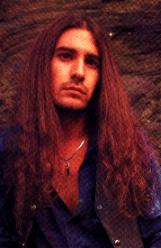 (Florida). It was an extremely intense show in front of a huge crowd, and after
Jon’s departure Savatage had to audition a few vocalists before chosing
Zachary Stevens as their new lead singer. Zak was playing in a Boston based
band, Wicked Witch, he was the drummer first and then switched to vocals when
drummer Jeff Plate stepped in. Zak’s audition with savatage was pretty curoius,
indeed. He met Paul O’Neill in New York and although he expected to sing some
Savatage songs, Paul asked him him to sing some Beatles tunes... Zak was pretty
surprised and after the audition wasn’t very posistive he would get the place...
instead he did! Paul and Jon heard something in hiss voice that made him perfect
for the future Savatage somgs, and together they recorded “Edge of Thorns”.
The new tracks were perfect to get the best out of Zak’s voice, and Criss’
guitar style had grown increadibly virtuoso yet spontaneous and intense that he
was just a few steps away from being recognized as the great taleneted guitarist
he was.
(Florida). It was an extremely intense show in front of a huge crowd, and after
Jon’s departure Savatage had to audition a few vocalists before chosing
Zachary Stevens as their new lead singer. Zak was playing in a Boston based
band, Wicked Witch, he was the drummer first and then switched to vocals when
drummer Jeff Plate stepped in. Zak’s audition with savatage was pretty curoius,
indeed. He met Paul O’Neill in New York and although he expected to sing some
Savatage songs, Paul asked him him to sing some Beatles tunes... Zak was pretty
surprised and after the audition wasn’t very posistive he would get the place...
instead he did! Paul and Jon heard something in hiss voice that made him perfect
for the future Savatage somgs, and together they recorded “Edge of Thorns”.
The new tracks were perfect to get the best out of Zak’s voice, and Criss’
guitar style had grown increadibly virtuoso yet spontaneous and intense that he
was just a few steps away from being recognized as the great taleneted guitarist
he was. 
 The
music reflects the extreme feelings of a war: the rage and the hatred, the
desperation of the people, the hope for a brighter future, the impossibility to
control and understand what is happening, the deepest and most genuine feelings
that are harbored in the human heart. The interaction between a metal band and
orchestra finds the perfect balance now and all bandmembers experience a new
feeling of belonging and togetherness with each other and their ever growing
crowds of fans worldwide. “Sarajevo, Christmas Eve 12/24” is an instrumental
track that became unexpectedly popular in the States abd got so much radio
airplay that Jon, Paul and Bob Kinkel (who worked in the studio with savatage
back fromt he Gutter Baller time) decided to create a side-project called
Trans-Siberian Orchestra, with which they release 3 albums for Atlantic:
“Cristmas Eve and Other Stories”, “The Christmas Aticc” and
“Beethoven’s Last Night” (for more infor about TSO check thir website at
The
music reflects the extreme feelings of a war: the rage and the hatred, the
desperation of the people, the hope for a brighter future, the impossibility to
control and understand what is happening, the deepest and most genuine feelings
that are harbored in the human heart. The interaction between a metal band and
orchestra finds the perfect balance now and all bandmembers experience a new
feeling of belonging and togetherness with each other and their ever growing
crowds of fans worldwide. “Sarajevo, Christmas Eve 12/24” is an instrumental
track that became unexpectedly popular in the States abd got so much radio
airplay that Jon, Paul and Bob Kinkel (who worked in the studio with savatage
back fromt he Gutter Baller time) decided to create a side-project called
Trans-Siberian Orchestra, with which they release 3 albums for Atlantic:
“Cristmas Eve and Other Stories”, “The Christmas Aticc” and
“Beethoven’s Last Night” (for more infor about TSO check thir website at  With
steady line-up and a growing support form the press, the media and big legions
of fans, Savatage released their following studio album in 1997, “The Wake of
Magellan”.
With
steady line-up and a growing support form the press, the media and big legions
of fans, Savatage released their following studio album in 1997, “The Wake of
Magellan”. During
these years Savatage stayed with a steady line up and they played another long
tour in Europe and USA, with a very long track list featuring a balanced number
of old songs they hadn’t played live for many years and a more recent ones.
Besides, they dedicated several months to the recording and tours of TSO and Jon,
Paul and Bob kept working on their project for a Broadway musical called “Romanov”.
During
these years Savatage stayed with a steady line up and they played another long
tour in Europe and USA, with a very long track list featuring a balanced number
of old songs they hadn’t played live for many years and a more recent ones.
Besides, they dedicated several months to the recording and tours of TSO and Jon,
Paul and Bob kept working on their project for a Broadway musical called “Romanov”.